
What Makes a Website Impactful?
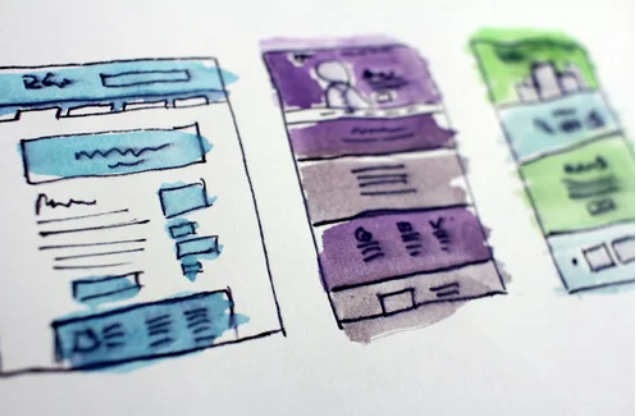
Is it the right colors, the perfect animations, or the fanciest graphics? Or is there something more?
If you’re anything like me, you probably spend a lot of time noticing websites. Whether they’re from other hygiene banks, nonprofits, or organizations in general. Some websites just “hit” differently: you can quickly find what you’re looking for and immediately understand their programs and impact. Others leave you clicking around, shuffling through text or empty spaces, trying to find basic information.
This is exactly how donors, volunteers, and the community you serve experience your website. One of our jobs at a nonprofit is to ensure our website is as clear and accessible as possible. If someone wants to support you, they should know right away how to do that and how their support makes a difference. If someone is looking for help, we want to remove barriers so they can find what they need. Whether that’s a form, a phone number, an address, or clear program information.
Test Your Website
A great way to evaluate your own site is to look at it with “brand new eyes.” Better yet, ask someone who’s never visited your website to test it for you like a volunteer, friend, or family member. Have them visit both on a computer and a phone, as your website can look very different on other platforms.
Ask them to find:
How to drop off hygiene supplies
How to access hygiene supplies
How to contact your team
Information about your programs
Take note of how many clicks it takes to find this information. Are there too many buttons? Is it clear and easy to navigate?
Sometimes we want to be helpful and end up adding too much information, which can be just as confusing as not enough. To help, here are our top must-haves for an effective hygiene bank website:

Must-Have Elements:
Clear calls to action: How can someone donate supplies, make a monetary donation, or volunteer? Add your EIN number for transparency and trust.
Physical or mailing address (if you want donors to drop by or mail checks)
Contact information: An email or contact form is essential, as it may be the only way some people in need can reach out. While phone numbers are helpful, email ensures donors and large organizations can connect easily.
Programs and services: Share not just your vision or mission, but the concrete programs you provide to make that vision a reality.
Values and impact goals: What makes your hygiene bank unique? Highlight the data you track and why it matters.
About Us page: Share your organization’s story, history, and “why.” You don’t need to include personal details about your team if you prefer not to, but this is your chance to build connection and trust.
Testimonials: Optional, but they can add credibility and show the real-world impact of your programs.
HBA member badge: Showcasing your certification and network membership increases visibility, builds trust, and emphasizes the importance of hygiene access.
Social media links: Encourage people to follow and engage with your content.
Newsletter signup: If applicable, make it easy for supporters to stay connected.
Easy-to-read fonts: Legibility is key! No matter how good your content is, if the font is hard to read or the colors are too intense, your message gets lost.
High-quality photos: Clear images of your team, volunteers, and services showcase professionalism and legitimacy. Always ensure you have consent for any client photos and present them with dignity.
Layout Tips:
Some websites work well with four main tabs:
About Us
Our Programs
How to Help
Contact Us
Alternatively, you could combine About Us and Contact Us into one page, with a separate tab for How to Find Help.
Your website is the front door to your organization. It should be welcoming, clear, and informative. It’s often someone’s first impression of your work and an opportunity to build trust while showing why supporting your mission matters.
What makes a strong website for you? Share your thoughts in the comments below!