Accounting for In-Kind Donations: A Practical Guide for Nonprofits
Original Article by Mission Edge, cited below
Summary by Simply the Basics
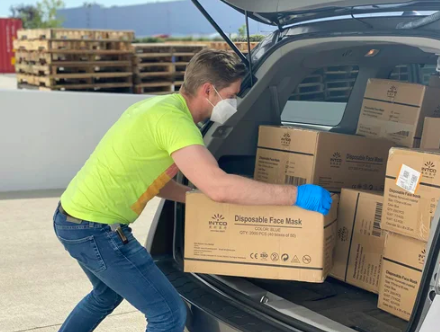
In-kind contributions (donated supplies, equipment, professional services, or free/discounted use of space) can free up your budget, deepen supporter relationships, and bring in resources you may not be able to afford otherwise. Over 75 million Americans volunteer and provide in-kind donations annually, contributing billions in economic value, so accurately tracking these contributions helps your organization present a full, honest picture of community support.
When you receive one, record it at fair market value (FMV): what you'd pay for the item or service on the open market. Ways to determine FMV:
Check the item's retail price (e.g., look up that brand of shampoo on Amazon or Walgreens)
Get a quote from a comparable provider
For services, use the provider's standard hourly rate
Not every generous gift belongs in your books, though. Volunteer time only counts as an in-kind donation if it involves specialized skills (like legal, accounting, or design work) that you'd otherwise have to pay for.
To avoid over-committing your organization to donations you can't use, create a Gift Acceptance Policy covering what you will/won't accept, value thresholds, and whether anonymous gifts are allowed.
Continue reading for more on donor acknowledgment letters, IRS reporting requirements, and strategies for soliciting in-kind gifts.