New Resource: Landscape Assessment of Student Basic Needs Insecurity (University of Hawaiʻi System)
Original Article Linked Below, Authored by KONSTANTINOS ZOUGRIS, PH.D. and ALBIE MILES, PH.D.
Summary By Simply the Basics
This study found that basic needs insecurity is widespread among UH students, and that lack of access to essentials such as hygiene products is part of a myriad of challenges that hinder student success. Roughly 25% of students reported difficulty affording necessary hygiene items, alongside challenges with food, housing, healthcare, and technology. These insecurities were linked to barriers in academic persistence and can exacerbate stress and disadvantage for vulnerable populations.
✔ Findings in Hygiene Insecurity
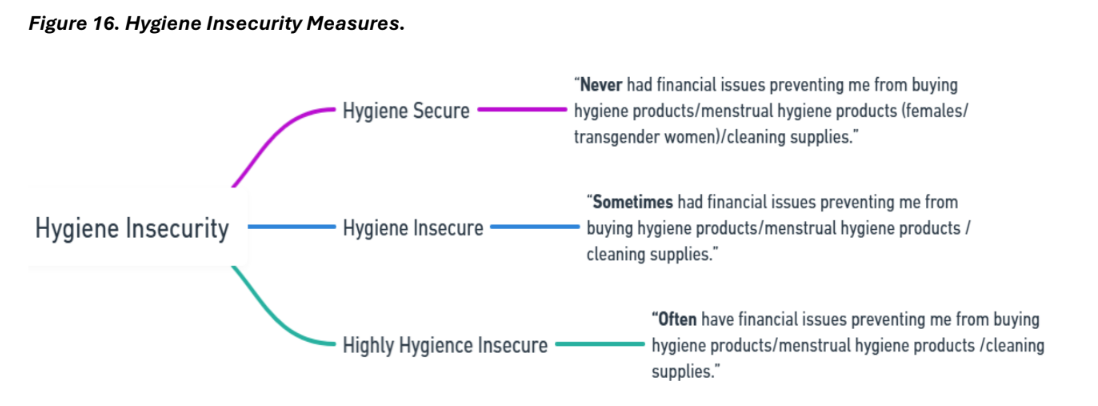
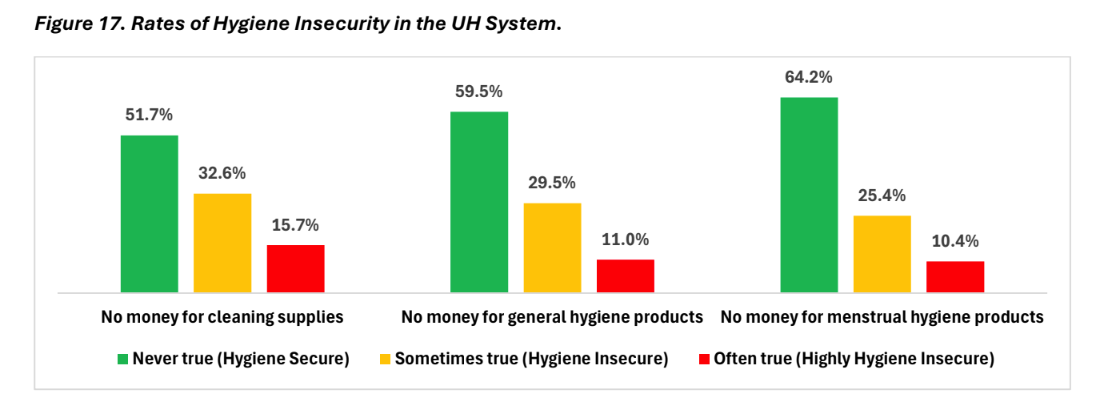
1 out of 4 (25%) UH students sometimes experience hygiene insecurity due to financial hurdles.
About 1 out of 10 (10%) of UH students stated that they often had financial issues preventing them from buying necessary hygiene products.
Key Takeaways
Hygiene insecurity is common: Approximately one in four students struggled to afford basic hygiene products — on par with clothing insecurity — underscoring how essential yet overlooked hygiene access is for students’ daily lives.
Basic needs insecurity is interconnected: Students facing hygiene insecurity often also face food, housing, and healthcare barriers. These overlapping needs can disrupt attendance, focus, and academic persistence
Impact on academic success: Basic needs insecurity undermines student learning and retention. For example, higher rates of insecurity were seen among students who dropped out, especially around food and housing. While not broken out specifically for hygiene alone, the pattern highlights how unmet essentials affect academic outcomes.
Awareness vs. use of supports: About 75% of students were aware of basic needs services on their campuses, but only half reported using them, indicating a gap between knowing supports exist and accessing them. University of Hawaii
Recommendations for action: The report includes recommendations for expanding financial aid to cover full living costs, creating centralized basic needs hubs, increasing health and safety resources, and strengthening communication to reduce stigma and improve access.
Why This Matters for Hygiene Banks
This assessment highlights that hygiene insecurity isn’t isolated from other basic needs challenges, which is something we have all said for long. It can significantly impact wellbeing, confidence, and academic success. For hygiene banks and advocates, it reinforces the importance of ensuring consistent, accessible access to hygiene products as part of broader efforts to support community health and equity.